Middle-Ground Approach
A balanced option between active surveillance and radical surgery.
A balanced option between active surveillance and radical surgery.
Treats only the diseased part of the prostate while preserving surrounding tissue.
Precise ultrasound energy is used to treat only the affected area.
A non-invasive treatment approach without surgical cuts or radiation exposure.
Designed for far less disruption to urinary and sexual function.
One path asks you to wait and live with PSA anxiety. Another removes or radiates the whole gland. Focal One offers a more precise middle ground: target the tumour, spare healthy tissue, and preserve the quality of life that matters after treatment.
PSA tests, scans, and repeat biopsies can stretch the decision out for months or years while the cancer remains in place.
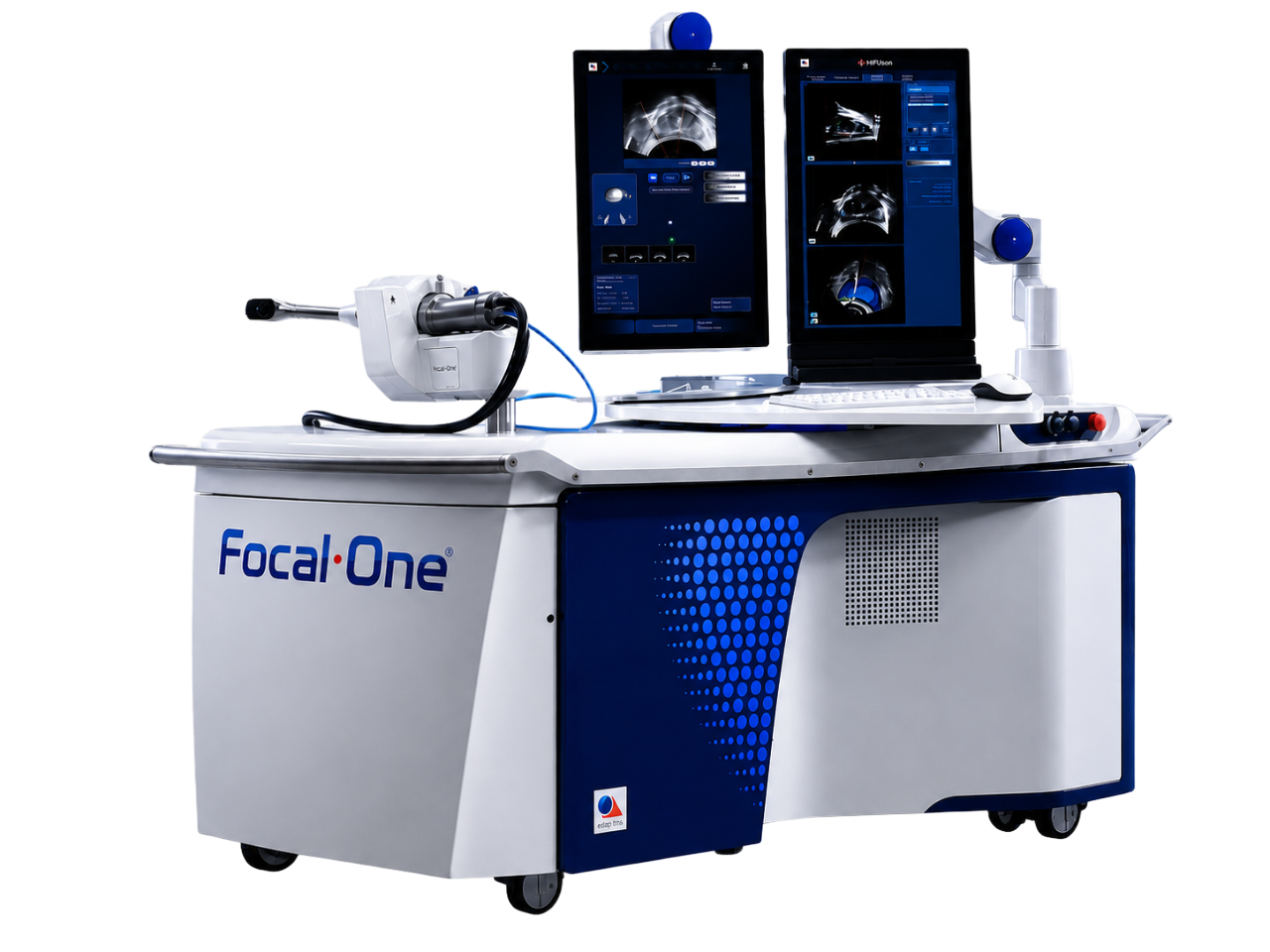
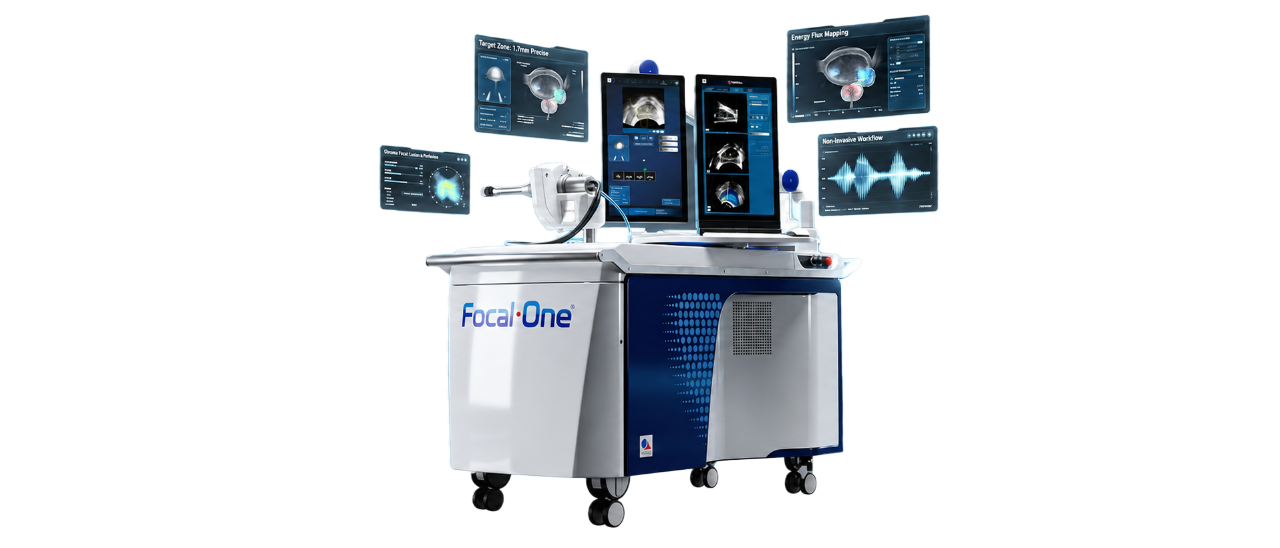
Robotic focal HIFU ablates only the diseased part of the prostate with real-time MRI and ultrasound fusion guidance.
Surgery can be effective, but recovery is longer and the risk to urinary control and erectile function is one of the biggest patient fears.
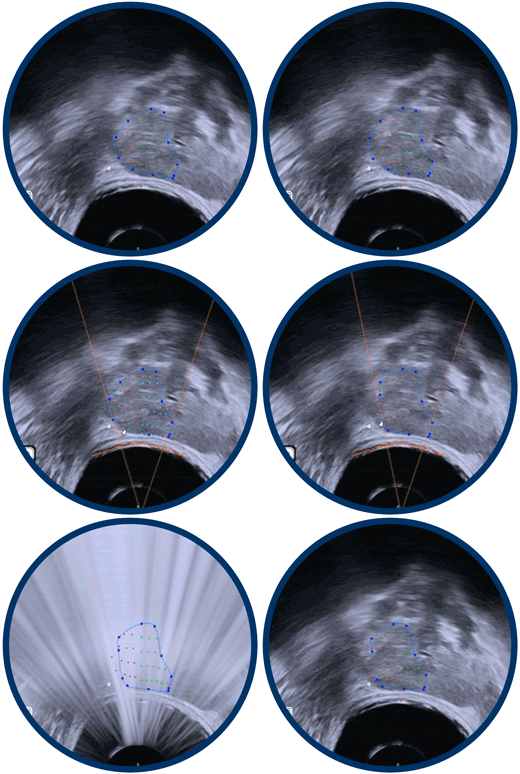
The prostate is mapped in real time using MRI and live ultrasound. Focal One creates a precise three-dimensional target before any energy is delivered.
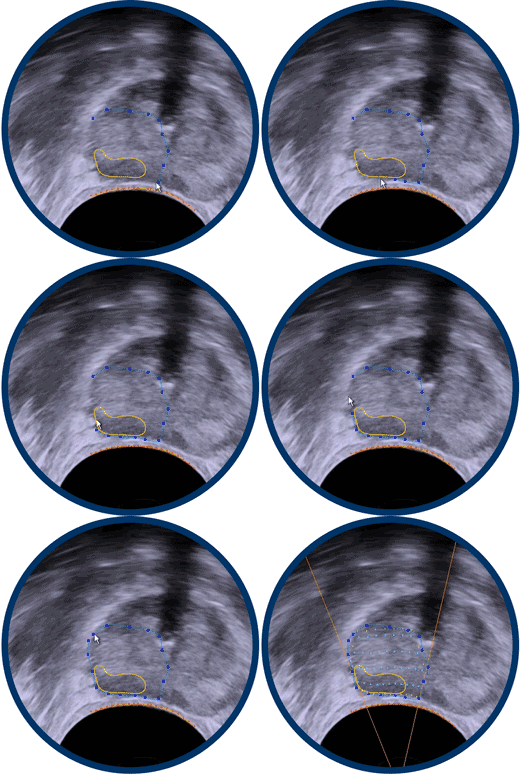
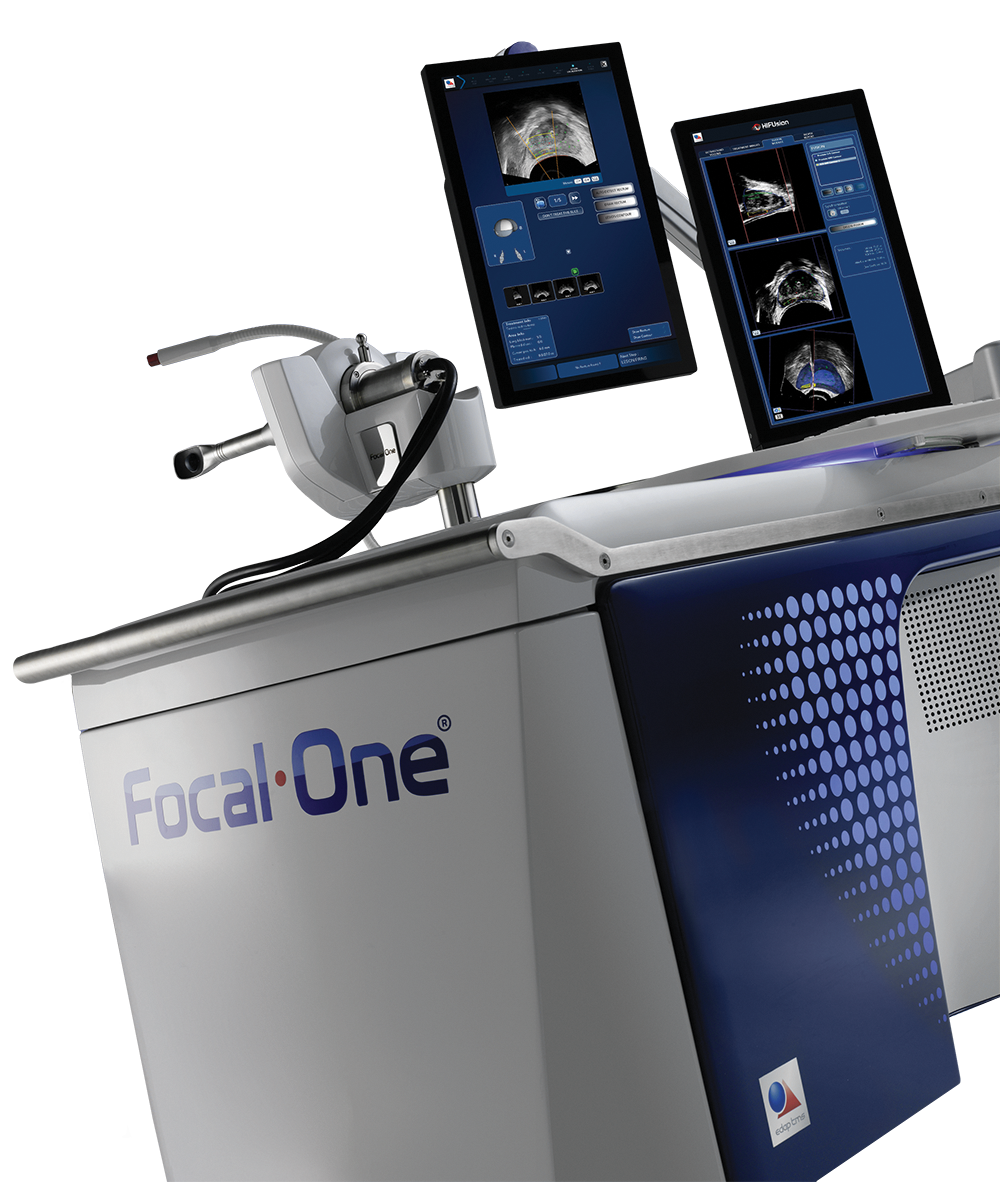
The urologist plans each lesion on the console to match your anatomy, so the treatment remains focused on diseased tissue and avoids healthy structures whenever possible.
High-intensity focused ultrasound raises the temperature at a precise focal point, creating coagulation necrosis without cutting through the body.
Most men go home the same day, return to routine within 24-48 hours, and continue follow-up with PSA testing and imaging rather than weeks of recovery.
Focal therapy is built to spare surrounding sphincters and healthy tissue, reducing the side-effect burden that makes many men fear treatment.
By ablating only the targeted zone, Focal One can help preserve the nerve bundles governing erectile function whenever disease location allows.
It is typically performed under general anaesthesia as an outpatient procedure, with most men back to regular life within 24-48 hours.
If more treatment is ever required, Focal One can be repeated and does not close the door on surgery or radiation later.

Robitic Urologist
Robitic Urologist
Robitic Urologist
Robitic Urologist
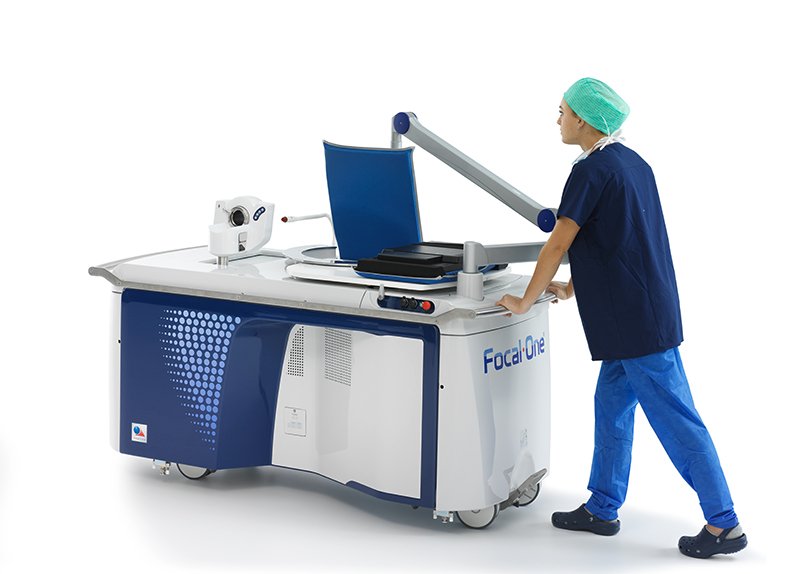
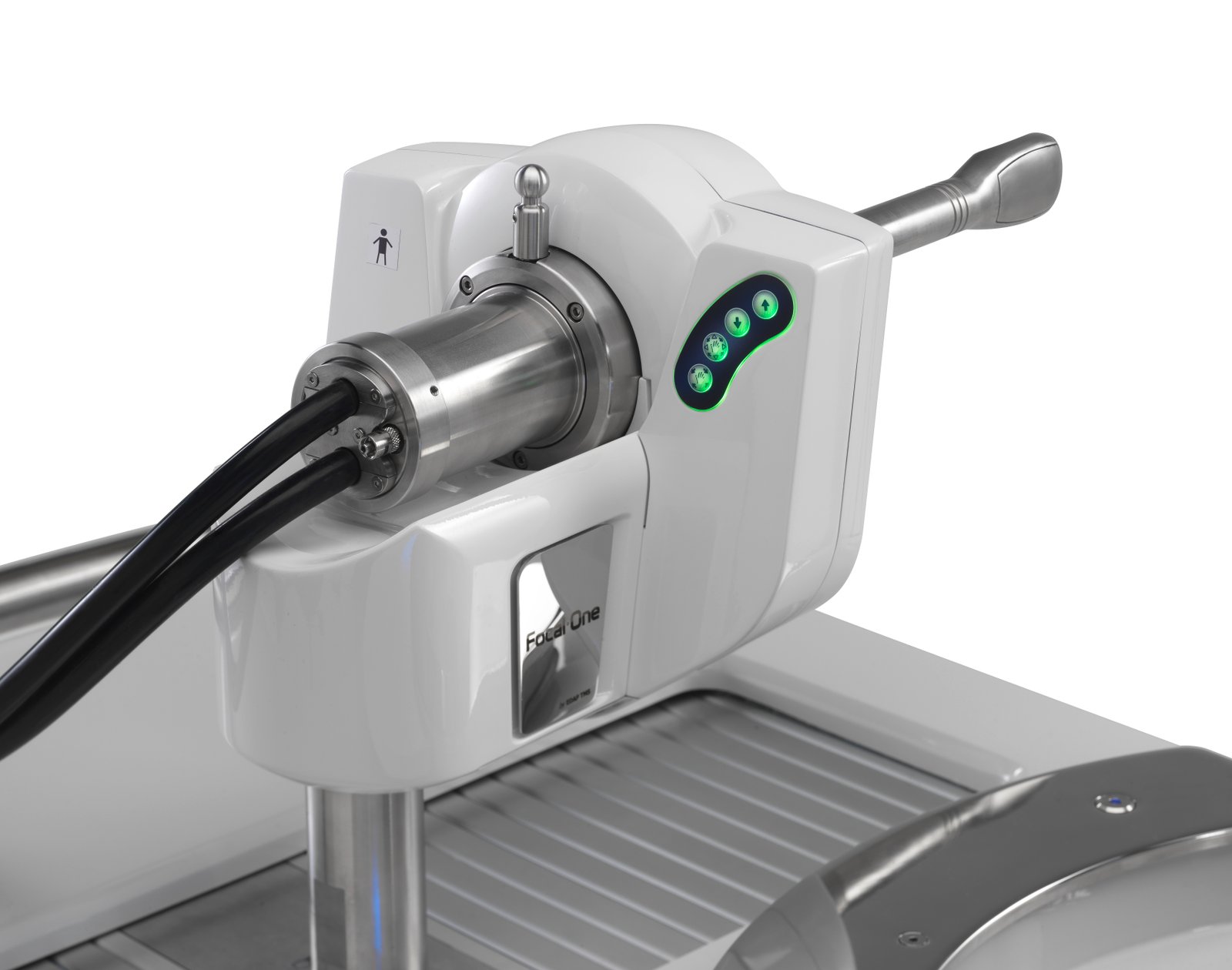
See the actual Focal One platform, treatment planning screens, and system movement before you decide. Then send reports for a specialist-led review of candidacy.
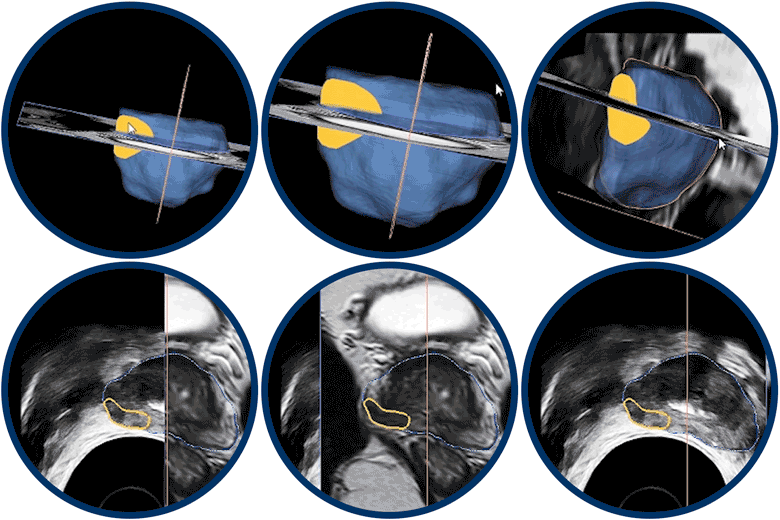
The entire prostate is scanned by transrectal ultrasound and displayed as a three-dimensional reconstruction. Your urologist precisely targets each area to be ablated — before anything happens to you.
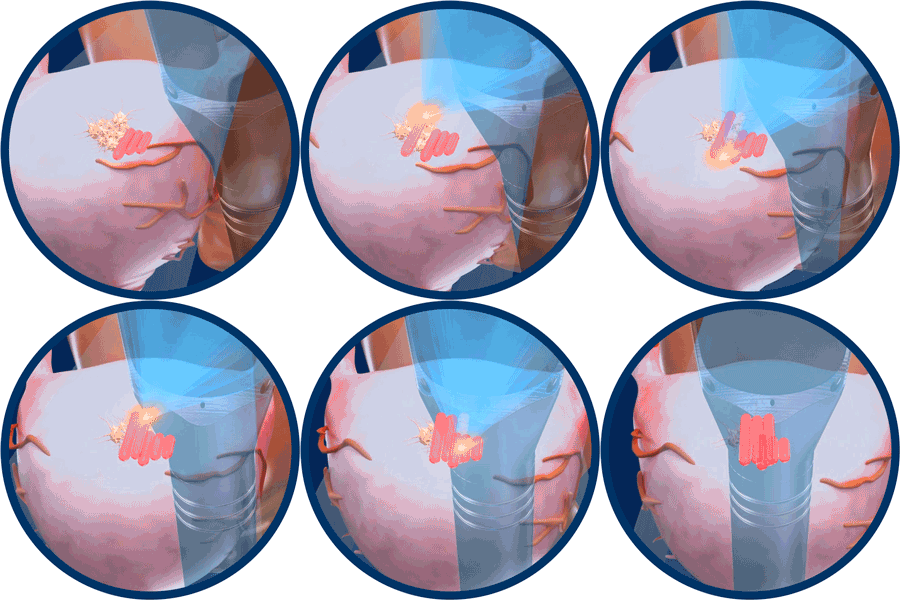
The Focal One system automatically determines the optimal number of lesions based on your plan and delivers HIFU energy — destroying only the targeted cancer cells. No incisions. No radiation. No blood loss.
A temporary catheter is placed at the end of the procedure. You go home the same day. The catheter is removed at your first follow-up days later. PSA testing at 3, 6 and 12 months confirms your result.
For men with localised, low-to-intermediate risk prostate cancer, Focal One creates a path between watchful waiting and radical treatment. It treats only the diseased area while aiming to preserve everything else that defines day-to-day quality of life.
Focal One combines MRI fusion, live ultrasound, robotic positioning, and dynamic HIFU delivery in a single workflow. You are not choosing a machine. You are choosing a treatment system built to see better, plan better, and spare more.
This is an outpatient procedure. A temporary catheter is usually placed for a few days because of swelling. Then recovery shifts to follow-up, not prolonged hospitalisation.
Most patients are discharged shortly after the procedure rather than staying in hospital for days.
The catheter is usually removed at the first follow-up visit a few days later, with normal activity often resuming within 24-48 hours.
Follow-up is structured and measurable, giving both patient and doctor a clear record of response.
Imaging and, when required, biopsy help confirm treatment success rather than leaving the result to guesswork.
More than 800 Focal One procedures and 15+ years of robotic treatment experience support one clear goal: treat prostate cancer precisely while protecting urinary control, sexual function, and recovery time wherever possible.
Share your PSA, MRI, or biopsy reports and get a specialist-led view on whether Focal One fits your case.
A specialist-led discussion focused on candidacy, side effects, and whether focal treatment is appropriate.
PSA, MRI, and biopsy results help the team advise you faster and with greater precision.
A care coordinator will get back to you quickly to confirm next steps.